Reference Project Process Control

PCS 7: Standardisation and Migration

Sappi Ehingen GmbH

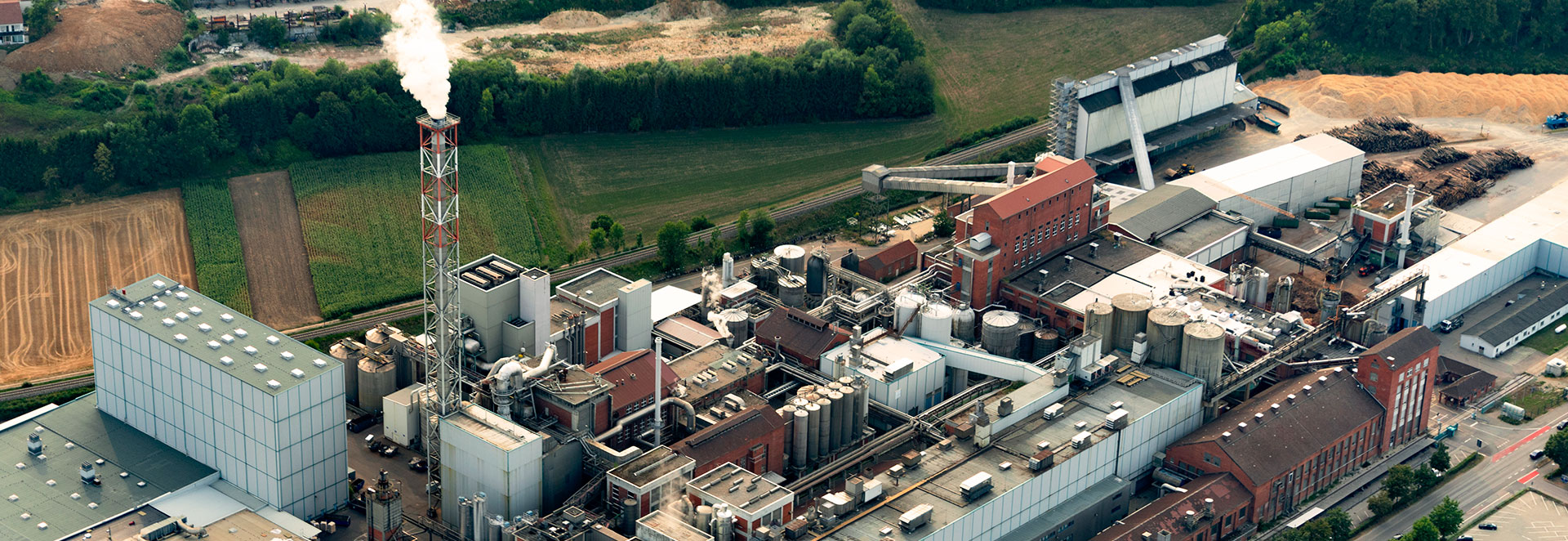
Sappi Ehingen operates an integrated mill for the production of chlorine-free sulphite pulp and high-quality coated papers. Energy is supplied by a power plant comprising three boiler systems, controlled by PCS 7. A heterogeneous system landscape featuring different versions of PCS 7 and proprietary user libraries made both maintenance and further development difficult. In addition, different operating and engineering concepts led to increased training requirements for the operating staff.


Project objective

To develop a uniform, modern and easy-to-maintain automation platform that meets current standards and facilitates future expansion.

The KRIKO solution

KRIKO migrated several PCS 7 projects, spanning different versions and libraries, to the latest PCS 7 version and provided the complete control system infrastructure.

This included the delivery and setup of an ESXi server farm with all necessary virtual machines, the provision of a Demilitarised Zone (DMZ), and other central components such as a backup system, patch management and allowlisting

The result

A highly available, secure and future-proof platform for smooth operation and

long-term maintainability.

Standardisation of user libraries

A key component of the project was the standardisation of the user libraries in use. All proprietary and project-specific libraries were replaced by the Siemens Advanced Process Library (APL). To this end, KRIKO analysed all modules, compared functions, interfaces and messages, and carried out a loss-free migration.

Use of the KRIKO migration tool

The company’s own KRIKO migration tool was used to carry out the migration. This tool enables the semi-automated replacement of modules with the corresponding APL elements whilst retaining all connections, parameter values, texts, units and messages.

[Translate to English:] Mitarbeiter vor Bildschirmen mit Prozessleitsystem PCS 7

Automated module migration offers the following benefits:

  • Minimal impact on existing logic
  • Preservation of field signal connections
  • No need for a full I/O check
  • Reduced commissioning effort
  • High quality and consistency of the new project structure
  • Only an occasional unit test was required to verify the correct functioning of the migrated modules.

Project outcome

Benefits for the Customer

Short downtime of less than a week

On-time commissioning thanks to automated migration and thorough preparation

Key milestone in the modernisation and standardisation of the automation landscape

Technical expertise, automated tools and a clear project structure enabled the implementation of an efficient, high-quality migration

The unified platform now provides a future-proof basis for operation, maintenance and expansion.

Do you need support with your project? Contact us now!
 

We look forward to your inquiry!
 

Go to the direct contact persons